Guiding Sustainable Performance: Environmental Compliance Manager Kyle Kiblin
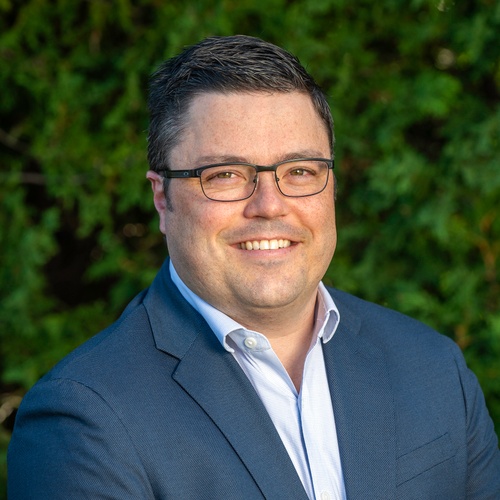
At Casella, environmental responsibility is a daily practice woven into every operation. As an Environmental Compliance Manager on the Permits, Compliance, and Engineering (PC&E) team, Kyle Kiblin supports multiple sites across New York, ensuring facilities operate safely and responsibly and remain aligned with complex environmental regulations. From navigating permits to collaborating with site teams in the field, Kyle plays a key role in protecting natural resources while helping Casella advance its long-term sustainability goals.
How has your career grown since joining Casella, and what experiences have shaped your role today?
I’ve been with Casella for just over four years, and I’m currently the Environmental Compliance Manager for our Buffalo, Batavia, and Rochester, New York divisions. I’m primarily responsible for maintaining the environmental permits for these sites and assisting the operations teams to ensure we remain in compliance with environmental regulations. Over time, I’ve also assisted with landfill environmental compliance, regulatory reviews, and construction projects, which has provided me with valuable foundational knowledge in environmental compliance.
What originally drew you to environmental compliance, and what continues to motivate you in this field?
I became interested in environmental work because I felt it was a great opportunity to apply my engineering background in a field that serves to create a positive impact. We’ve seen a major societal shift towards environmental consciousness, which creates an increasing sense of responsibility to be stewards of the environment for future generations. It felt natural to join a company like Casella, where sustainability is such a core part of our identity.
When you explain environmental compliance to someone unfamiliar with the field, what do you emphasize about its importance?
Environmental compliance means ensuring our company operates in alignment with federal, state, and local environmental regulations. There’s a lot that goes into maintaining environmental compliance, but it primarily boils down to ensuring we have the necessary permits, closely follow permit provisions and regulations, and maintain strong recordkeeping practices.
What does a typical day look like for you in your role?
A typical day usually involves a combination of site inspections, permitting paperwork, reviewing regulations, project meetings, and coordinating with site teams and consultants. I also need to be prepared to respond to emergencies like petroleum spills or radiation alarms, which become my top priority for the day if those calls come in.
What aspects of environmental compliance work tend to surprise people or go unnoticed behind the scenes?
People may not know there’s a good amount of hands-on fieldwork involved. Depending on the sites we’re responsible for, we may be tasked with going out to collect stormwater samples on a rainy day, walking the landfill to collect gas samples, or scanning a garbage truck load for radiation, to name a few.
What types of data and reporting are most critical to your work, and how do they support compliance?
Material tonnage data and reporting are the most important in my role. Every year by March 1, we are required to submit tonnage reports for our waste hauling, landfill, transfer station, and recycling facilities to the New York State Department of Environmental Conservation. Not only does the state use these reports to track the movement of materials, but they are also used to check that we are following regulations.
What part of your job do you find the most rewarding?
I think the most rewarding and interesting part of the job is being part of any project that involves working as part of a team. Some projects require close collaboration with entire site teams, from equipment operators to managers, as well as coordination with third-party consultants and regulators. Working with everyone and seeing the project through to completion, after overcoming the challenges that inevitably arise along the way, provides a great sense of accomplishment.
How does your work directly support Casella’s broader sustainability commitments and goals?
My role supports Casella’s sustainability goals by helping ensure sustainable operations. By leveraging my experience in the environmental field and working closely with the operations teams to maintain compliance, we’re able to minimize environmental impacts at our facilities and on the road, which is a key component of Casella’s commitment to environmental stewardship.



 Powered by Notified